What’s Special about Expressive Arts?
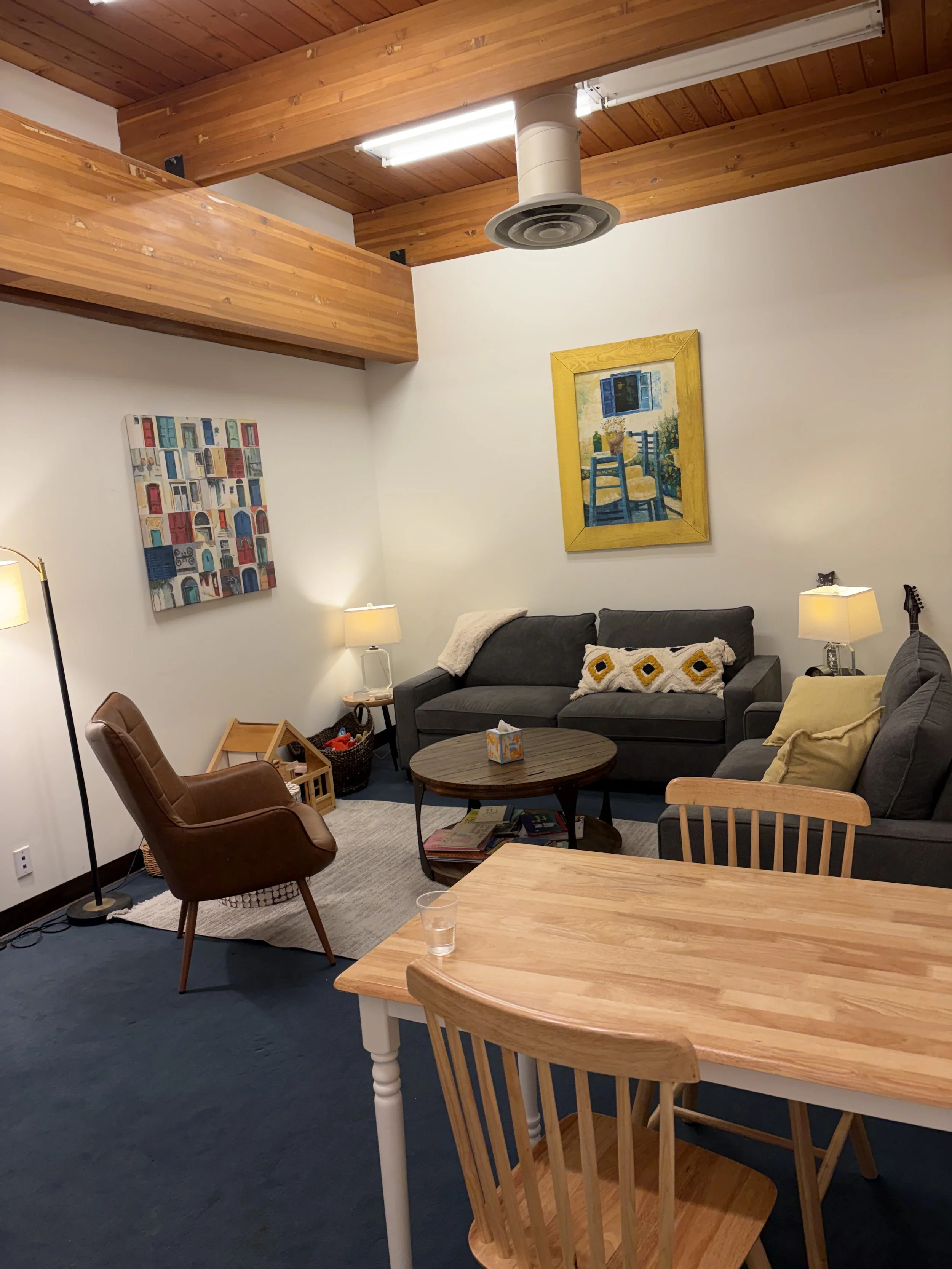
Our therapeutic office in Los Angeles is no typical therapy office! We made sure to make it a warm environment where messiness can happen. At IGP we help people learn how to get in touch with their inner child. We incorporate music, art, and mindfulness into therapy because we know it works! IGP’s integrative approach to mental health treatment supports healing on a deep emotional level. Whether used for individual expression, group collaboration, or as part of a broader therapeutic strategy, using the expressive arts in therapy helps clients of all ages develop emotional resilience, discover new coping mechanisms, and express themselves in ways that foster healing and personal growth.
Music in Therapy
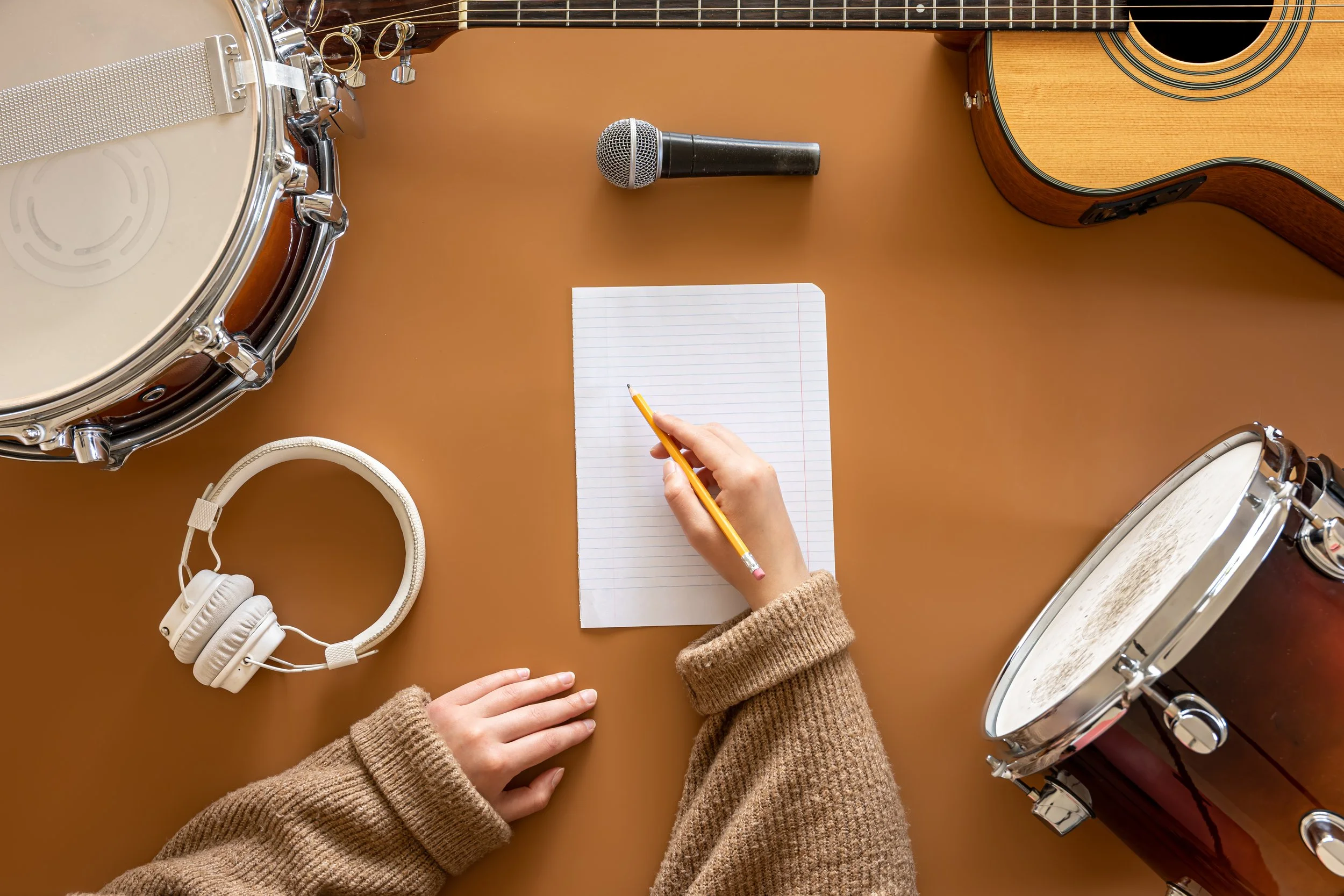
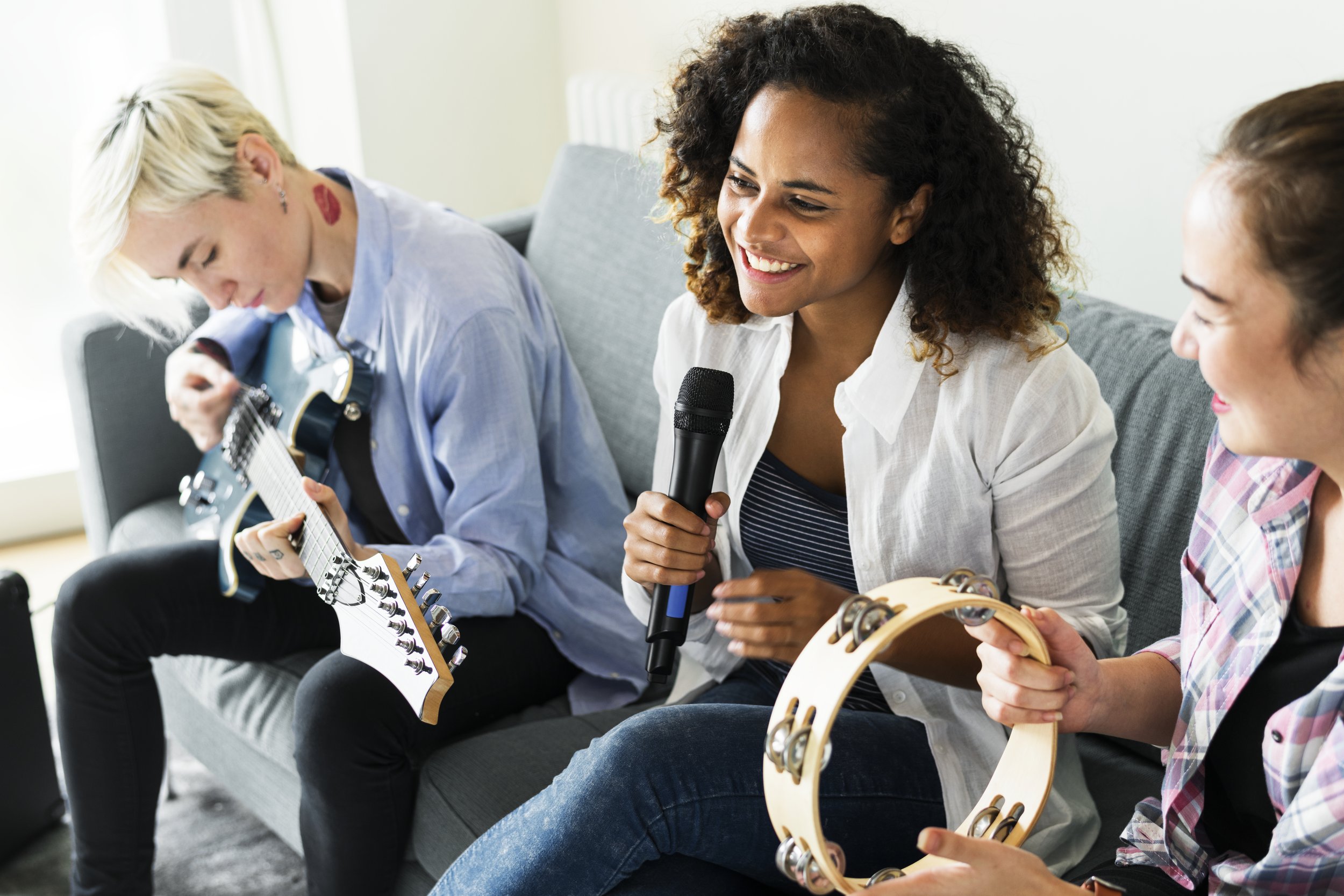
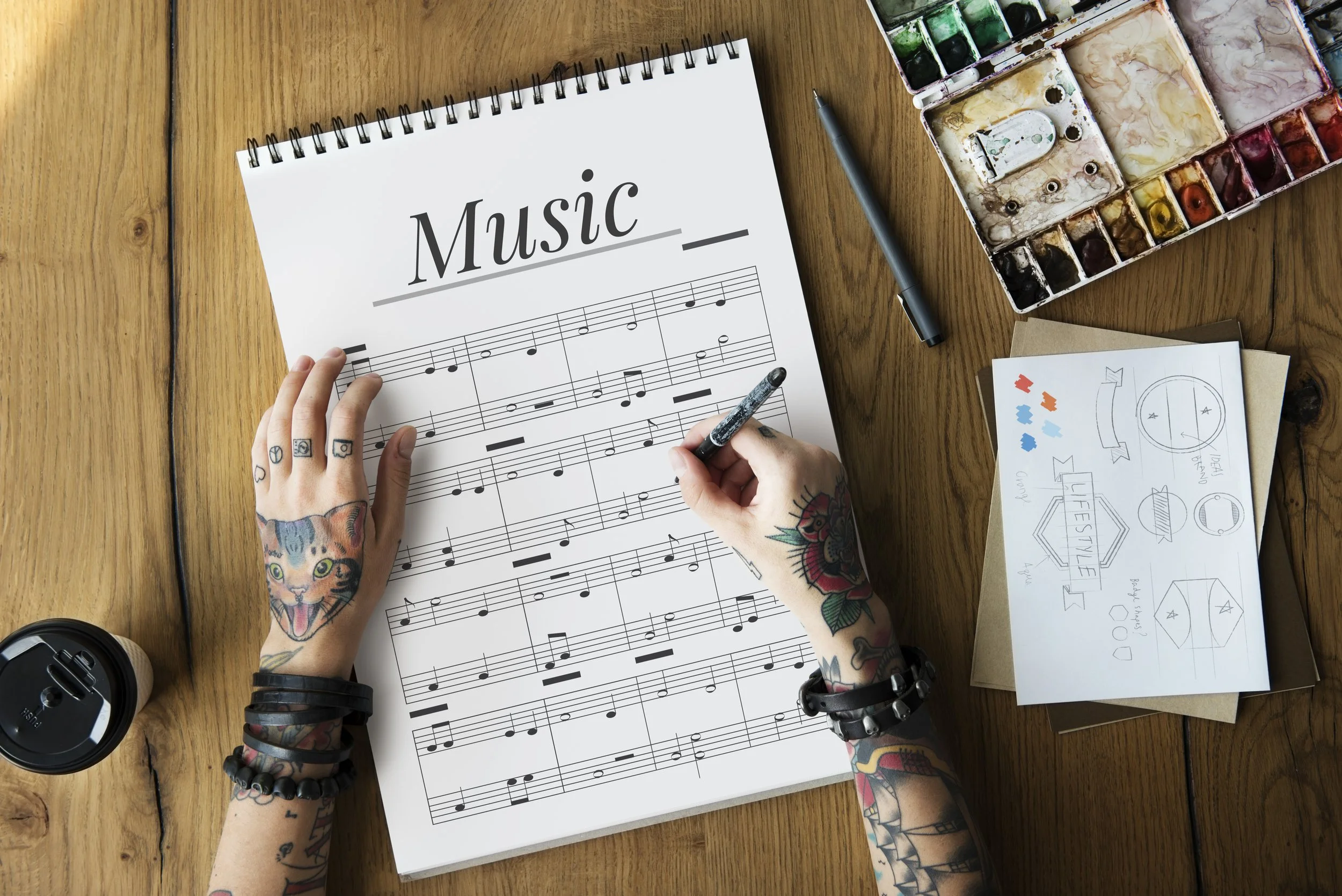
At Innovative Group Psychotherapy (IGP), we integrate music and expressive arts into therapy as a powerful way to support emotional healing, creativity, and self-expression. Music can help individuals access emotions that may be difficult to articulate through words alone, making it an effective therapeutic tool for reducing anxiety, processing difficult experiences, and improving emotional well-being.
Our therapists incorporate music into treatment to help clients—especially teens—develop new ways of understanding their emotions, building resilience, and strengthening their sense of identity.
Why Music Is Effective in Therapy
Research shows that music therapy and expressive arts therapy can support emotional regulation, reduce stress, and promote psychological healing. Music activates multiple areas of the brain involved in emotion, memory, attention, and motivation, helping individuals process experiences in a creative and meaningful way.
In therapy, music can help clients:
• regulate stress and anxiety
• express difficult emotions
• improve mood and emotional balance
• strengthen self-confidence
• process difficult life experiences
Music engages both the emotional and cognitive systems of the brain, allowing clients to explore feelings in ways that feel natural, safe, and creative.
Songwriting as a Therapeutic Tool
At IGP, songwriting therapy is one of the most powerful ways teens express and process their experiences. Through songwriting, clients can transform difficult emotions into meaningful creative expression.
Teens often write about experiences such as:
• bullying or social stress
• academic pressure
• insecurity and self-esteem
• grief or loss
• difficult relationships
• family conflict
The process of writing lyrics and creating music allows teens to organize their thoughts, reflect on their experiences, and develop insight into their emotional world.
The Healing Power of Art at IGP
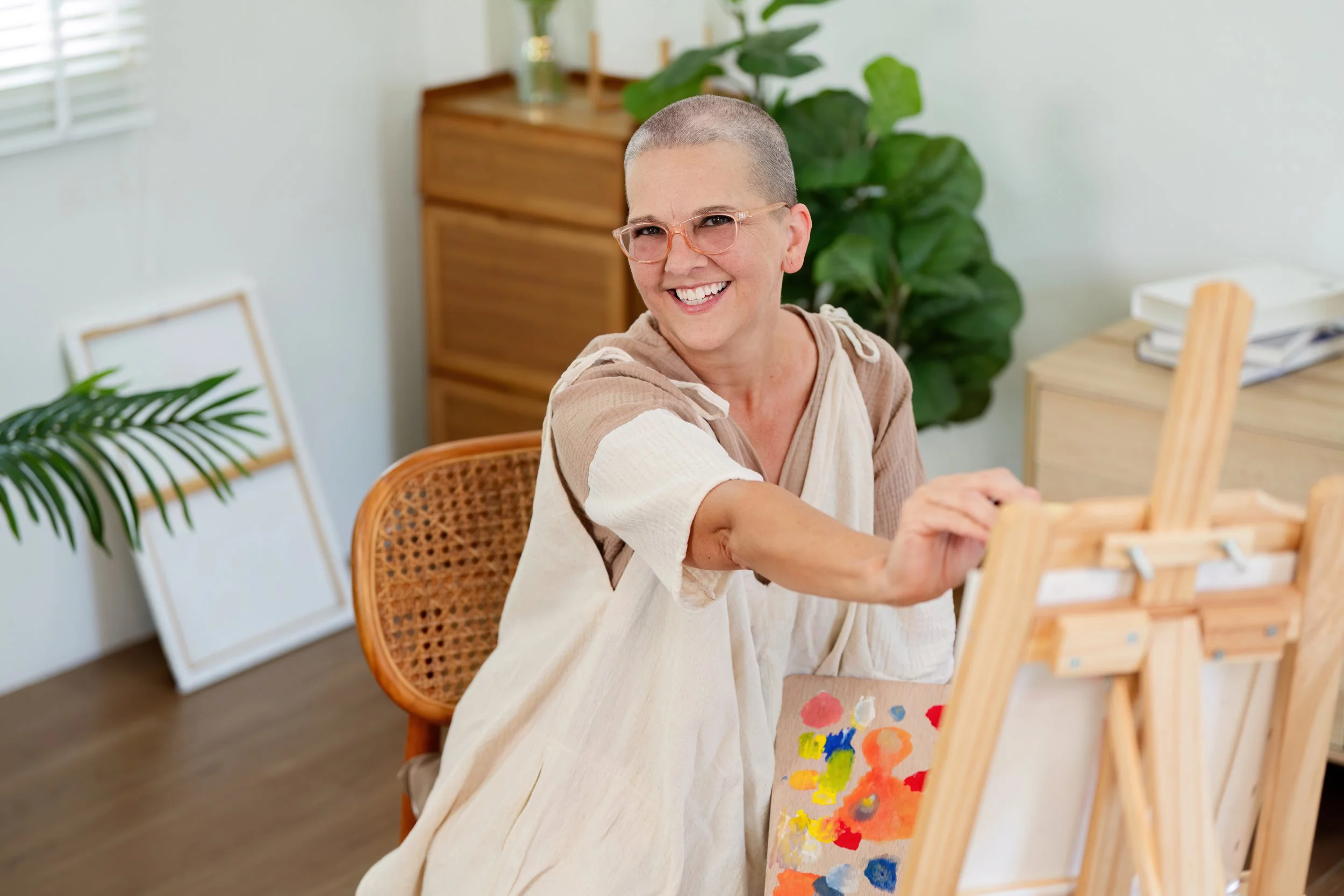
At Innovative Group Psychotherapy (IGP), we incorporate art into the therapeutic process because it offers a unique, non-verbal way for clients to explore, express, and heal from emotional struggles. The use of visual arts in therapy has been recognized for centuries as a powerful means of emotional expression, self-discovery, and healing. IGP integrates art therapy into its treatment approach to help individuals tap into their creative potential and use it as a tool for personal growth, self-expression, and emotional regulation.
Art as a Therapeutic Tool for Self-Expression
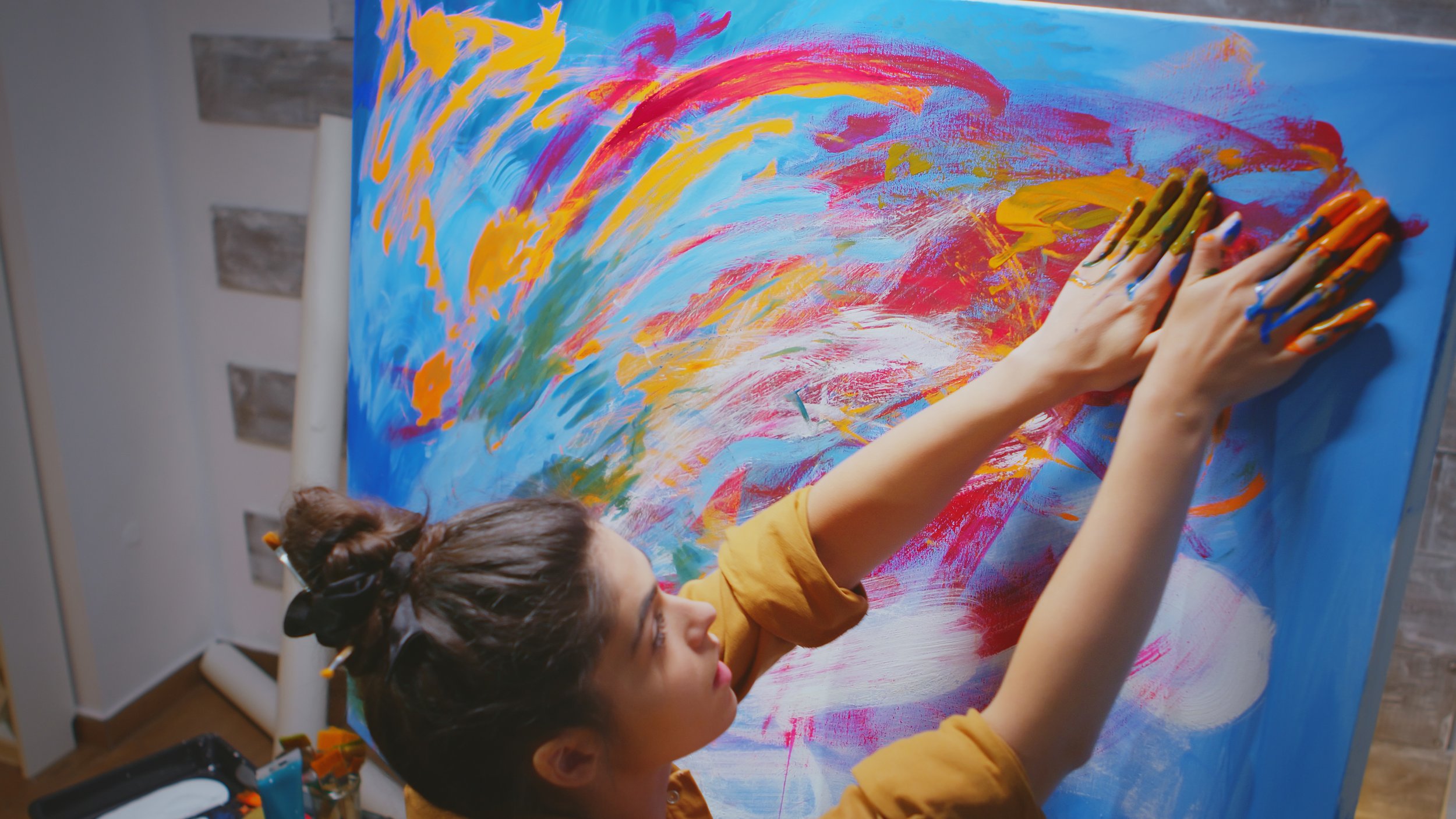
Art therapy provides a safe, supportive environment where clients can express emotions and thoughts that may be difficult to articulate through words alone. For many people, emotions such as grief, anger, anxiety, or trauma can be overwhelming or hard to express. Through artistic mediums such as drawing, painting, sculpting, or collage, clients can visualize and externalize these emotions in a way that feels safe and contained.
Creating art in therapy allows individuals to be active participants in their healing process, taking ownership of their emotional journey while simultaneously giving them a sense of control over difficult feelings. The act of creating something tangible provides a sense of accomplishment and can be incredibly empowering, especially for those who have felt powerless or overwhelmed by their emotions.
The Mind-Body Connection: Neuroscientific Support for Art Therapy
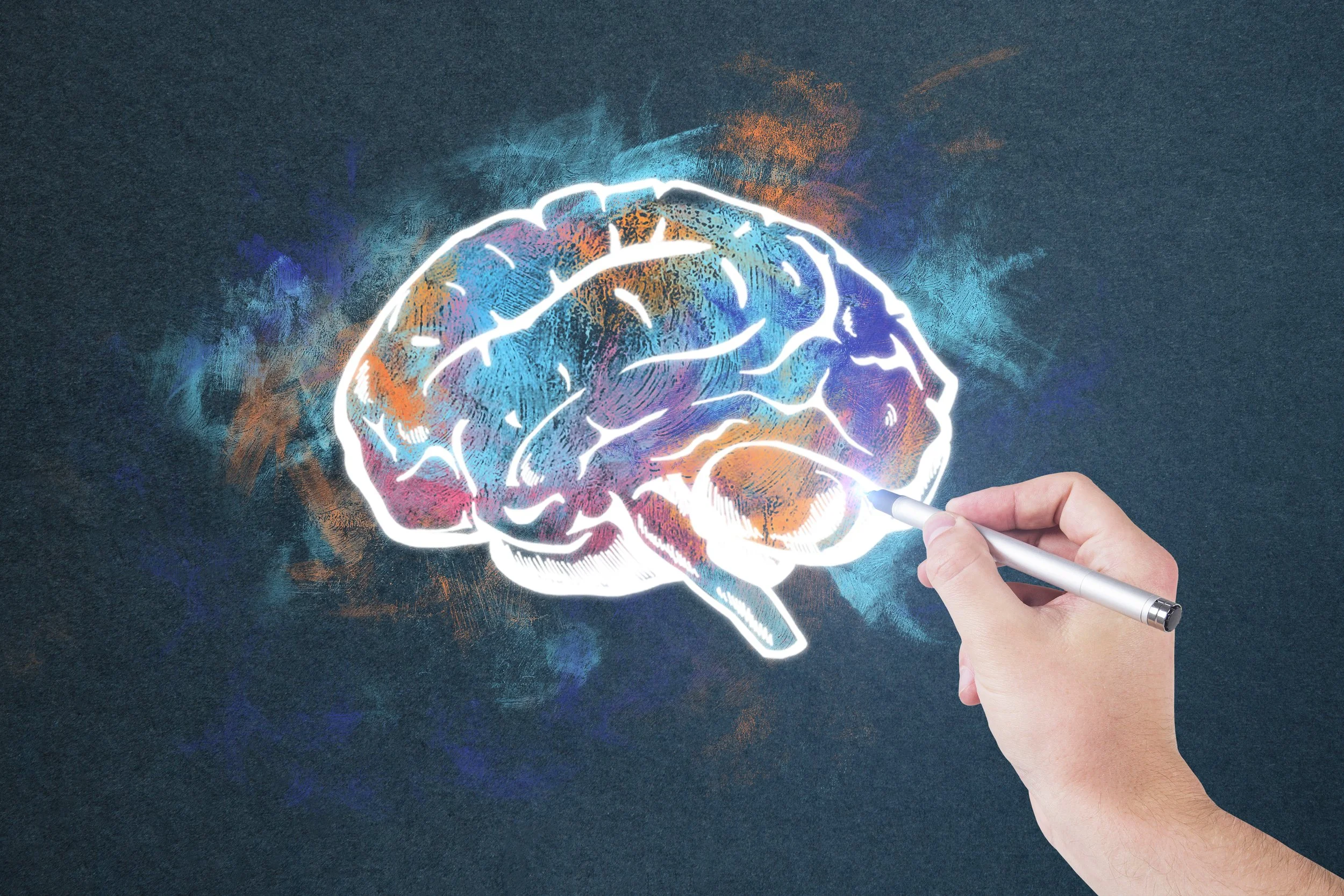
Recent advances in neuroscience have shown that art and creative expression can have a profound impact on both the brain and body. The process of creating art engages the right hemisphere of the brain, which is responsible for emotional processing, creativity, and visual-spatial thinking. By engaging in art-making, individuals stimulate neural pathways that are crucial for emotional regulation, problem-solving, and self-expression.