
Comprehensive Psychological Assessments

At Innovative Group Psychotherapy, psychological testing is designed to provide clarity, understanding, and direction. Many individuals and families seek psychological testing when questions arise about learning, attention, emotional functioning, or developmental differences. A comprehensive psychological evaluation can help identify the underlying factors affecting school performance, work, relationships, and emotional well-being.
Psychological testing is a thoughtful and structured process that integrates information from multiple sources. Evaluations may include standardized cognitive and academic testing, personality and behavioral assessments, clinical interviews, and a careful review of developmental, medical, and educational history.
The goal of testing is not simply to assign a diagnosis, but to develop a complete understanding of how a person thinks, learns, processes information, and experiences emotions. Our clinicians specialize in psychological testing for children, adolescents, and adults, providing clear diagnostic insight and personalized recommendations for treatment, educational planning, and long-term support.
What Is Psychological Testing?
A psychological assessment is a structured evaluation that helps answer important questions about a person’s cognitive abilities, emotional functioning, personality patterns, and behavior.
Through standardized testing and clinical interpretation, psychological testing can:
Clarify or confirm diagnoses
Identify learning differences and cognitive strengths
Evaluate attention and executive functioning challenges
Assess emotional and psychological functioning
Provide recommendations for treatment or educational support
Support accommodations for school or the workplace
In addition to identifying areas of difficulty, psychological testing highlights an individual’s strengths, learning style, and areas of resilience, which are essential for effective


Our Approach to Psychological Assessment
At Innovative Group Psychotherapy, psychological testing is conducted with care, curiosity, and respect for each individual’s unique developmental and cultural background.
Our clinicians integrate evidence-based assessment methods with thoughtful clinical interpretation to create evaluations that are both scientifically rigorous and personally meaningful.
Our practice is committed to providing:
Culturally responsive assessments
Neurodivergent-affirming evaluations
Trauma-informed psychological testing
We recognize that a person’s identity, life experiences, learning style, and environment all play an important role in understanding their psychological profile.
The Psychological Testing Process
At Innovative Group Psychotherapy, our psychological evaluation process is structured and collaborative to provide clear diagnostic understanding and practical recommendations.
1. Initial Consultation
We begin with a consultation to understand your concerns and determine the most appropriate psychological assessment.
2. Comprehensive Testing
Standardized assessments evaluate areas such as cognitive abilities, attention, learning, memory, executive functioning, and emotional functioning. The number of sessions varies based on the complexity of the evaluation.
3. Records Review
When helpful, we review relevant information including school records, prior evaluations, medical history, and teacher or parent input.
4. Diagnostic Integration
Assessment results are carefully analyzed and integrated into a comprehensive understanding of the individual’s cognitive, academic, and emotional functioning.
5. Feedback and Recommendations
Clients receive a detailed written report with diagnostic clarification, treatment recommendations, and guidance for school or workplace accommodations.

Types of Psychological Testing
Neuropsychological testing evaluates how brain functioning affects thinking, learning, and behavior.
These assessments examine areas such as:
Memory/Attention and concentration/Executive Functioning
Processing speed
Language abilities
Problem solving and reasoning
Visual-spatial skills
Neuropsychological evaluations may be recommended for concerns related to:
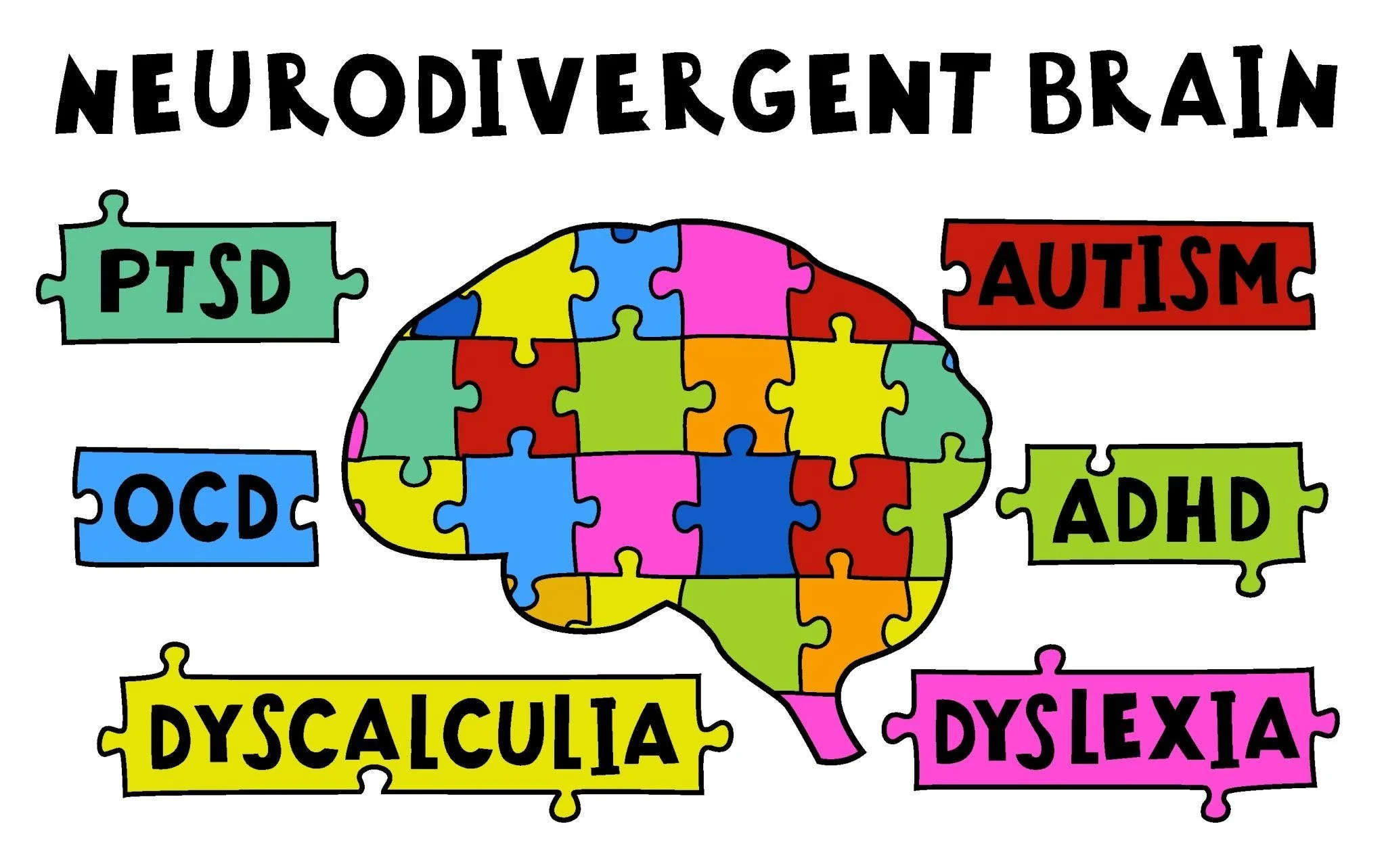
ADHD and attention difficulties
Autism Spectruam
Traumatic brain injury
Memory problems or cognitive changes
Learning challenges
Neurological conditions
Psychoeducational Testing
Psychoeducational evaluations focus on learning, academic development, and school functioning.
These assessments are commonly used for children and adolescents who may be struggling academically or require educational support.
A psychoeducational evaluation may examine:
Intellectual abilities
Academic achievement
Executive functioning
Language development
Attention and concentration
Visual-motor integration
Social and emotional functioning
These evaluations help identify learning differences and may be used to support:
IEP (Individualized Education Programs)
504 accommodations
Academic interventions
Individualized learning strategies
Common diagnoses identified through psychoeducational testing include:
ADHD
Learning disabilities (reading, writing, math)
Executive functioning difficulties
Processing disorders
Emotional factors impacting academic performance