
Prioritizing Mental Health: A Competitive Edge in College Admissions

An EMDR-Informed Approach for College Admissions
In the world of college admissions, families often focus on a strategy of accumulation: more AP classes, more leadership roles, and more polished essays. But for many teens, the barrier to the next level isn't a lack of effort—it’s a neurological "performance block."
When a student is capable but finds themselves paralyzed by procrastination, perfectionism, or testing anxiety, they aren't lacking discipline. They are experiencing a biological interference. Using an EMDR-informed lens, we can shift stored negative neurological patterns to more empowering messages.
Beyond the Résumé: The Internal Mechanics of Success
Even the most capable students can find themselves battling "performance blocks." From the outside, these can look like procrastination, lack of motivation, or sudden friction in the parent-teen relationship. From the inside, however, these are often neurological responses to high-pressure environments.
Many students carry silent, driving beliefs that can hinder their "output":
"My value is tied entirely to my achievements."
"If I don’t get it perfect, I’ve failed."
"The stakes are too high to start."
When these beliefs take hold, they trigger the brain’s survival centers. This leads to cognitive paralysis—the feeling of being "stuck" despite having a clear plan. In this state, a teen isn't being defiant; their nervous system is simply overwhelmed.


The Science of the "Stuck" Mind
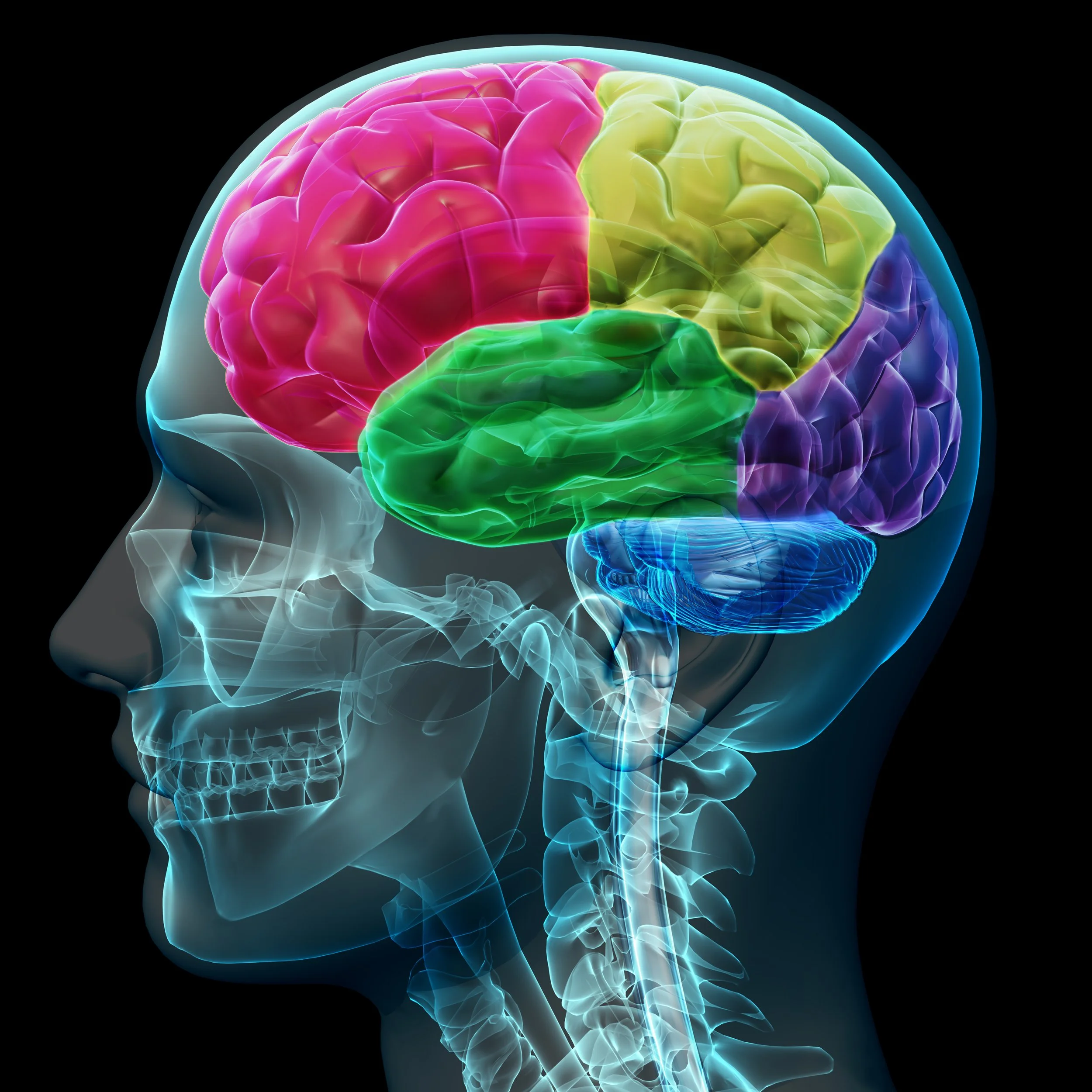
High-pressure environments can cause the brain to store stress in a way that bypasses logic. Even if a student knows they are prepared, their "survival brain" might trigger a fight, flight, or freeze response when they sit down to write a personal statement or take the SAT.
This creates a performance gap: the distance between what a student is capable of doing and what they are actually producing. Traditional coaching focuses on the "what" (the essay), but an EMDR-informed approach focuses on the "how" (the brain’s ability to access its best resources under pressure).
The Power of Resourcing: Building a "High-Performance" Nervous System
A key component of an EMDR-informed approach is Resourcing. For a teen navigating the college application process, resourcing acts as a form of neurological cross-training.
Resourcing involves identifying and strengthening internal states of calm, focus, and confidence. Through specific techniques, we help the brain "bridge" the gap between a stressful moment (like a looming deadline) and a positive neural network (a memory of a time they felt capable and in control).


Why this is a game-changer for the college process:
Creating New Neural Pathways: By intentionally practicing resourcing, teens create new, positive neural networks. Over time, the brain defaults to "focus" rather than "panic."
Lowering the "Baseline" of Stress: When the nervous system is well-resourced, a student can handle a higher volume of work without reaching the point of burnout.
Optimizing Executive Function: By clearing the "noise" of anxiety from the emotional centers of the brain, we free up the prefrontal cortex—the area responsible for the high-level organization and creative storytelling required for elite applications.
Shifting from Anxiety to "Flow"
The goal of using an EMDR-informed approach isn't just to "feel better"—it’s to optimize output. When we reprocess the negative narratives that cause procrastination (e.g., "If this isn't perfect, it's a failure"), the student moves out of a state of paralysis and into a state of "flow."
In this state, tasks that previously felt insurmountable become manageable. The student isn't just working harder; they are working with a more efficient, integrated brain.
A Strategic Foundation for the Future
The college application process is the first major "high-stakes" hurdle of a young adult's life. By utilizing an EMDR-informed approach now, we aren't just helping a teen get through senior year. We are giving them a sophisticated set of neurological tools they will use in college, in their careers, and beyond.
When we optimize the mind, we don't just improve the application—we improve the student’s ability to navigate high-pressure environments with confidence and clarity for the rest of their lives.