
A Message from the Founder
The idea for Innovative Group Psychotherapy (IGP) grew out of some of the earliest experiences in my career as a psychologist. While completing my doctoral training, I worked as a foster family social worker, supporting children and teens who had experienced trauma, family separation, and profound loss.
Many of the young people I worked with had lost not only their families, but also the hope that they would ever feel safe, loved, or understood. I approached the work with enthusiasm and the hope of becoming a dependable adult in their lives—someone they could trust.
What I quickly discovered, however, was that trust cannot always be built through traditional talk therapy alone. Many of these youth had learned to protect themselves by keeping people at a distance. Sitting across from a therapist and being asked to talk about their feelings simply wasn’t enough.
So I began trying something different.
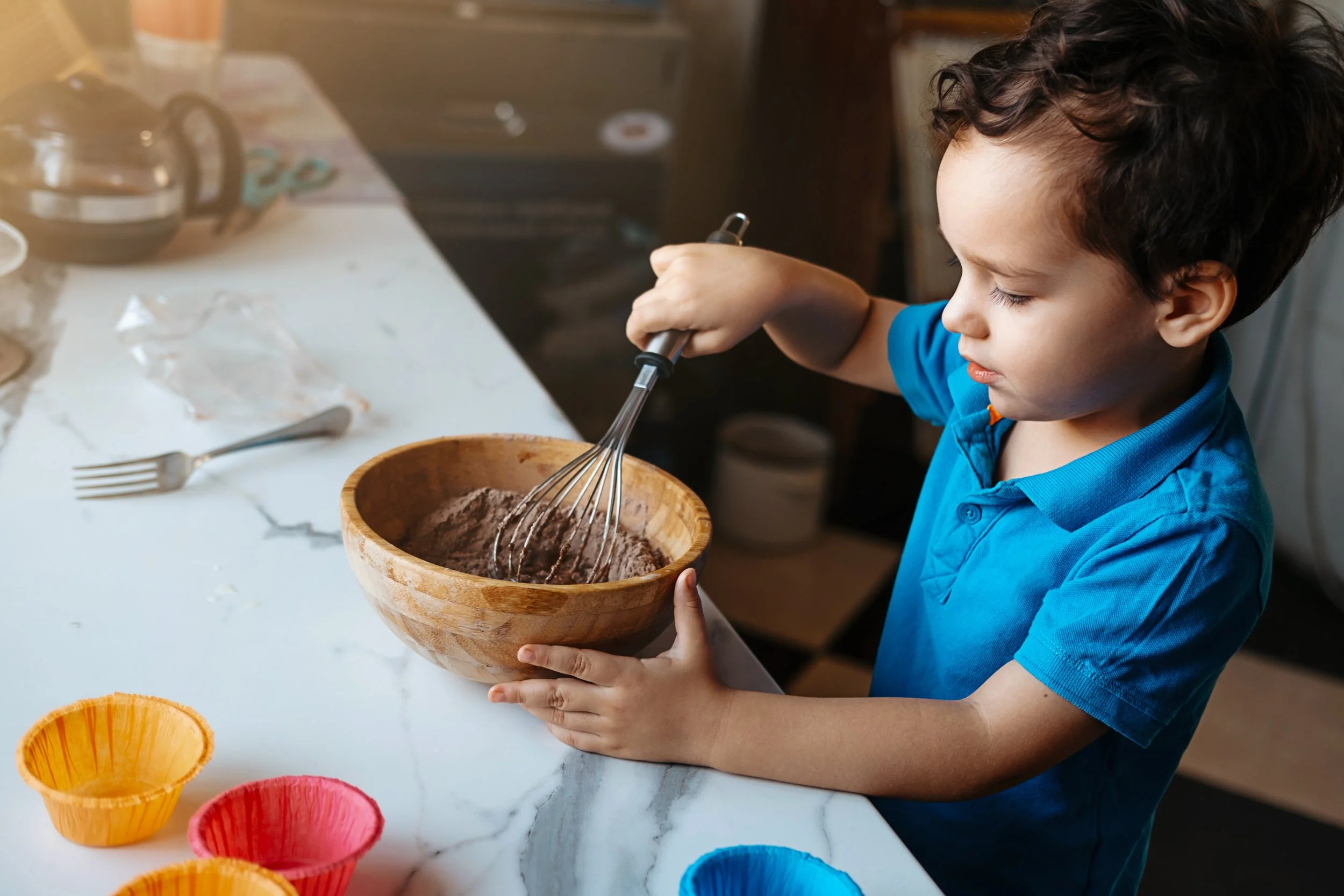
Instead of expecting them to enter the therapy room ready to talk, I started entering their world. We painted murals, shot basketball hoops, made pancake breakfasts, decorated cupcakes, created photo albums, and discussed music and journal entries together.
And something remarkable began to happen.
They started to talk.
Creative activities provided a kind of emotional distance that made it safer for the children to express what they were feeling. Instead of having to say something directly, they could paint their emotions, write about song lyrics that resonated with them, or describe feelings through art and stories. A drawing or a line in a song could hold emotions that felt too vulnerable or overwhelming to speak aloud.

At the time, I didn’t yet fully understand the science behind what I was witnessing. Years later, through continued training in trauma therapy, attachment theory, neuroscience, and EMDR, the research began to explain why these moments were so powerful.
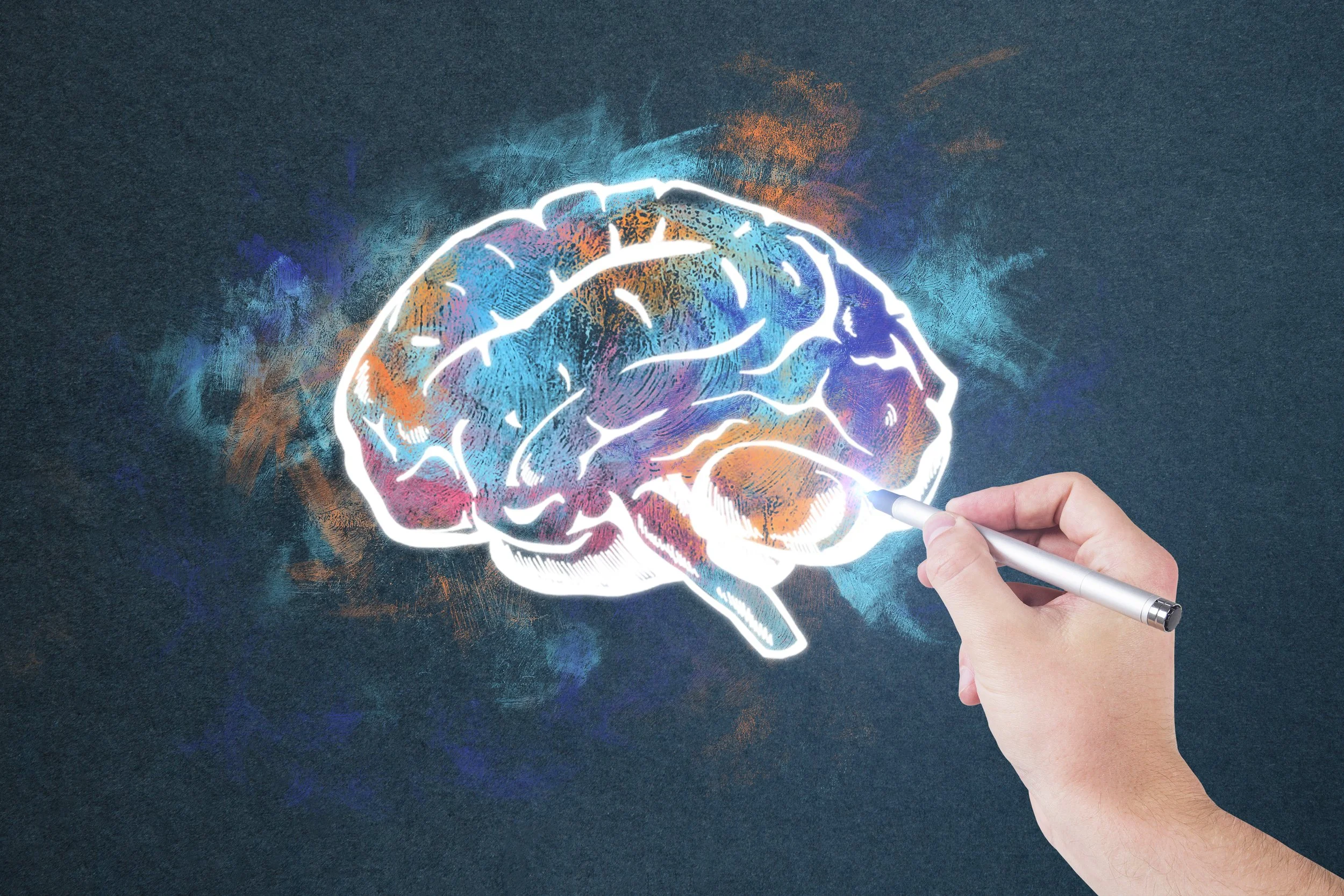
Today we know that trauma—especially trauma that occurs early in life—is not always stored in the brain as clear verbal memories. Many early relational wounds are encoded in deeper areas of the brain involved in survival and emotional regulation, including the brainstem and limbic system. Because these experiences often occur before a child has the language to describe them, they may exist primarily as sensations, images, emotions, or body memories rather than words.
This is one reason why children and adolescents with early trauma often struggle to simply “talk about what happened.” Their experiences may not yet exist in a form that language alone can easily access.
Expressive and somatic methods help bridge that gap.
Activities such as drawing, painting, music, writing, or movement engage different neural pathways and help calm the nervous system. When the body begins to settle and the brain feels safer, children often become more able to reflect on their experiences and eventually put words to what they feel.
What I witnessed with those children many years ago was the beginning of that process: connection first, regulation second, insight third.This integrative model reflects what research and neuroscience increasingly confirm: healing from trauma involves both the mind and the body. Combining insight-oriented therapy with practical skill-building and creative expression allows clients to process difficult experiences while also developing tools for resilience and emotional regulation.


Those early experiences shaped the therapeutic philosophy that eventually led to the creation of Innovative Group Psychotherapy in 2019. Our work integrates several evidence-based approaches to support healing and emotional growth. Research increasingly confirms what I observed early in my career: healing from trauma involves both the mind and the body. Combining insight-oriented therapy, trauma processing, practical coping strategies, and creative expression allows clients to process difficult experiences while also building resilience and emotional regulation.
It is an honor to do this work and to walk alongside our clients as they move toward greater resilience, confidence, and emotional well-being.